
 Best Seller


What to Do When Your Car Parts Start Wearing Out
Few things are more frustrating than turning your car key or pressing the start button only to hear a slow crank—or worse, nothing at all. A weak car battery is one of the most common causes of vehicle breakdowns, but the good news is that it usually gives warning signs before it fails completely.
Knowing what to do when your car battery starts losing power can help you avoid unexpected breakdowns, protect your vehicle’s electrical system, and save you money in the long run. In this guide, we’ll explore the common signs of a weakening battery, possible causes, and the steps you should take to keep your vehicle running reliably.
Signs Your Car Battery Is Losing Power
A failing battery rarely stops working without warning. Watch out for these common symptoms:
1. Slow Engine Cranking
One of the earliest signs of a weak battery is when the engine takes longer than usual to start. If you notice sluggish cranking, your battery may no longer be holding a full charge.
2. Dim Headlights
If your headlights appear dimmer than normal, especially when the engine is off or idling, your battery may not be supplying enough power.
3. Dashboard Battery Warning Light
Modern vehicles are equipped with a battery warning light. If this light stays on while driving, it could indicate a battery issue or a problem with the charging system.
4. Electrical Accessories Malfunctioning
Power windows, infotainment systems, air conditioning controls, and interior lights may begin to operate inconsistently when battery voltage drops.
5. Frequent Need for Jump Starts
If you’re regularly relying on jumper cables to start your vehicle, it’s a strong indication that your battery needs to be tested or replaced.
6. Unusual Clicking Sounds
A clicking noise when turning the key often means the battery doesn’t have enough power to engage the starter motor.
What Causes a Car Battery to Lose Power?
Several factors can shorten the lifespan of a car battery:
Age
Most car batteries last between 3 to 5 years, depending on driving habits, climate, and maintenance.
Extreme Temperatures
High temperatures can accelerate battery wear by causing internal fluid evaporation, while extremely cold weather reduces the battery’s ability to deliver power.
Short Trips
Frequent short journeys don’t give the alternator enough time to fully recharge the battery after starting the engine.
Electrical Drain
Leaving headlights, interior lights, or electronic accessories on after turning off the engine can drain the battery.
Faulty Charging System
A failing alternator or damaged charging components may prevent the battery from charging properly.
Corroded Battery Terminals
Corrosion around battery terminals restricts electrical flow and reduces battery performance.
What Should You Do?
If you suspect your battery is weakening, follow these steps:
Test the Battery
Use a battery tester or visit a professional battery service center to check the battery’s voltage and overall health.
Early testing can identify whether the battery simply needs charging or if replacement is necessary.
Inspect the Battery
Look for:
- Corroded terminals
- Loose battery connections
- Swollen battery casing
- Cracks or leaks
- Excessive dirt or moisture
Any physical damage usually indicates it’s time for a replacement.
Clean the Terminals
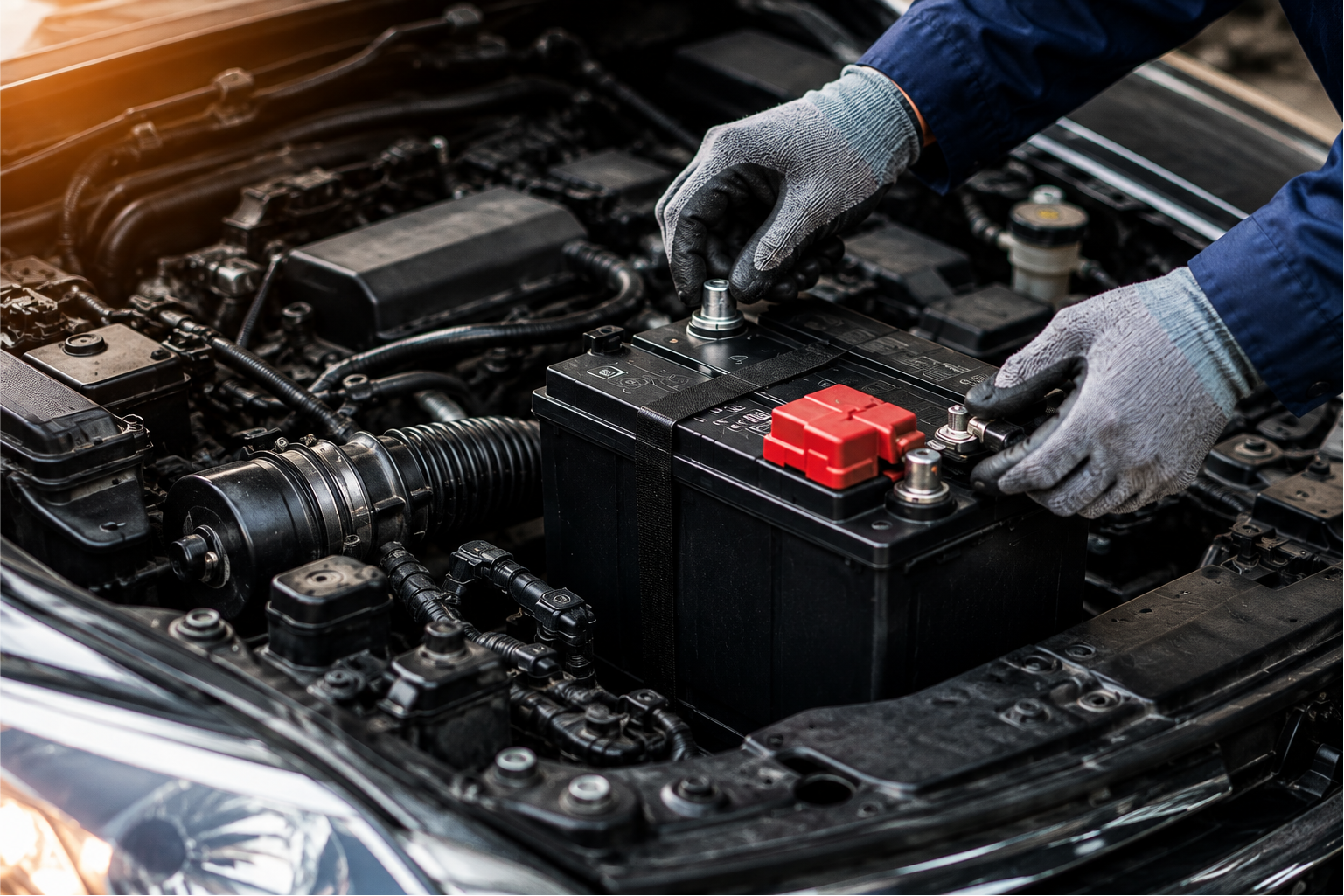
Corrosion can interrupt power flow. Carefully clean the battery terminals using a battery cleaning brush or an approved cleaning solution before reconnecting them securely.
Drive Long Enough to Recharge
If your battery has only been weakened by repeated short trips, taking the vehicle for a longer drive may allow the alternator to restore the battery’s charge.
Check the Charging System
Sometimes the battery isn’t the real problem.
A qualified technician should inspect:
- Alternator output
- Drive belts
- Charging voltage
- Starter motor condition
These components work together with the battery and can affect its performance.
When Is It Time to Replace Your Battery?
You should consider replacing your battery if:
- It is over three to five years old.
- It repeatedly fails battery tests.
- It struggles to start the engine.
- It cannot hold a charge.
- The battery casing is swollen or damaged.
- You require frequent jump-starts.
Replacing the battery before it fails completely helps prevent inconvenient roadside breakdowns.
Choosing the Right Replacement Battery
Not every battery fits every vehicle.
When purchasing a replacement, ensure you choose the correct:
- Battery size
- Voltage (typically 12V)
- Ampere-hour (Ah) rating
- Cold Cranking Amps (CCA)
- Battery technology (Flooded, Maintenance-Free, AGM, or EFB)
Always follow your vehicle manufacturer’s recommendations for the best performance.
Tips to Extend Battery Life
Proper maintenance can significantly increase your battery’s lifespan.
Here are a few simple tips:
- Drive your vehicle regularly.
- Avoid leaving electrical accessories on when the engine is off.
- Keep battery terminals clean.
- Secure the battery properly to reduce vibration.
- Have your charging system checked during routine servicing.
- Replace aging batteries before they fail unexpectedly.
Why Professional Battery Testing Matters
Many drivers replace batteries unnecessarily when the real issue lies elsewhere.
Professional testing can determine whether the problem is caused by:
- A weak battery
- A faulty alternator
- A starter motor issue
- Loose or corroded connections
- Excessive electrical drain
Accurate diagnosis saves both time and money.
Final Thoughts
Your car battery is one of the most important components of your vehicle’s electrical system. Ignoring the early warning signs of a weak battery can leave you stranded at the worst possible moment.
If your battery is showing signs of losing power, don’t wait until it fails completely. Test it, inspect it, and replace it if necessary with a high-quality battery that matches your vehicle’s specifications.
Regular maintenance and timely replacement will help ensure reliable starts, protect your vehicle’s electronics, and give you peace of mind every time you get behind the wheel.