
 Best Seller


Top 10 Things Every Driver Should Know About Car Batteries

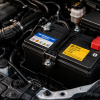
Your car battery is one of the most important components of your vehicle. It powers the engine during start-up, supplies electricity to essential systems, and keeps your vehicle’s electronics running smoothly. Yet, many drivers don’t think about their battery until it fails, often leaving them stranded at the most inconvenient time.
Understanding how your car battery works and how to maintain it can help you avoid unexpected breakdowns, extend its lifespan, and save money on costly repairs. Whether you’re a new driver or an experienced motorist, here are the top 10 things every driver should know about car batteries.
1. Your Car Battery Does More Than Start the Engine
Many people believe a car battery’s only job is to start the engine. While starting the vehicle is one of its primary functions, it also powers many of your vehicle’s electrical systems, including:
- Headlights and interior lighting
- Infotainment and navigation systems
- Power windows and door locks
- Dashboard electronics
- Security and alarm systems
- Climate control systems
Once the engine is running, the alternator takes over supplying power while also recharging the battery.
2. Car Batteries Don’t Last Forever
Every battery has a limited lifespan. On average, most car batteries last between 3 and 5 years, although this can vary depending on:
- Driving habits
- Weather conditions
- Vehicle type
- Battery quality
- Maintenance practices
If your battery is approaching the three-year mark, it’s a good idea to have it tested regularly.
3. Different Vehicles Require Different Battery Types
Not all car batteries are the same. Choosing the correct battery is essential for reliable performance.
Common battery types include:
Flooded Lead-Acid Batteries
Ideal for standard vehicles with basic electrical requirements.
Maintenance-Free (MF) Batteries
Require no water top-ups and offer improved convenience.
AGM (Absorbent Glass Mat) Batteries
Designed for vehicles with Start-Stop technology and advanced electrical systems.
EFB (Enhanced Flooded Batteries)
Suitable for many vehicles with Start-Stop systems that don’t require AGM batteries.
Always follow your vehicle manufacturer’s recommended battery specifications.
4. Cold Cranking Amps (CCA) Matter
Cold Cranking Amps (CCA) measure a battery’s ability to start an engine in cold temperatures.
A battery with the correct CCA rating ensures reliable engine starts during colder weather and provides sufficient starting power for your vehicle.
Choosing a battery with inadequate CCA may result in difficult starting and poor performance.
5. Short Trips Can Reduce Battery Life
Frequent short journeys may not allow the alternator enough time to fully recharge the battery after starting the engine.
Over time, repeated short trips can leave the battery in a partially charged state, reducing its lifespan and increasing the likelihood of failure.
Whenever possible, take longer drives to help maintain a healthy charge.
6. Warning Signs Should Never Be Ignored
Your battery usually provides early warning signs before it fails completely.
Common symptoms include:
- Slow engine cranking
- Dim headlights
- Dashboard battery warning light
- Electrical accessories operating slowly
- Frequent jump-starts
- Clicking sounds when starting
Addressing these issues early can prevent unexpected breakdowns.
7. Extreme Weather Affects Battery Performance
Both hot and cold temperatures can shorten battery life.
Hot Weather
High temperatures can cause battery fluid to evaporate and accelerate internal corrosion.
Cold Weather
Low temperatures reduce the battery’s ability to deliver sufficient starting power.
Seasonal battery inspections are especially important if you live in areas with extreme weather conditions.
8. Battery Maintenance Is Simple but Important
Although many modern batteries are maintenance-free, regular inspections can significantly extend their lifespan.
Simple maintenance includes:
- Cleaning battery terminals
- Removing corrosion
- Tightening loose connections
- Securing the battery properly
- Checking for swelling or leaks
A few minutes of maintenance can prevent major problems later.
9. Buying the Cheapest Battery Isn’t Always the Best Choice
While affordable batteries can offer excellent value, the cheapest option isn’t always suitable for every vehicle.
Instead of choosing based solely on price, consider:
- Battery size
- Voltage
- Ampere-hour (Ah) rating
- Cold Cranking Amps (CCA)
- Battery technology
- Warranty
- Brand reputation
A properly matched battery will deliver better performance and a longer service life.
10. Professional Battery Testing Can Save You Money
Many battery-related problems are actually caused by other components, such as:
- Faulty alternators
- Worn starter motors
- Loose battery terminals
- Electrical drains
- Charging system issues
A professional battery test can quickly determine whether your battery is healthy or if another component requires attention.
Replacing the wrong part can be expensive, so accurate diagnosis is essential.
Bonus Tips for Longer Battery Life
Want to get the most out of your car battery? Follow these simple habits:
- Drive your vehicle regularly.
- Avoid leaving lights or accessories on when the engine is off.
- Keep battery terminals clean and corrosion-free.
- Ensure the battery is securely mounted.
- Have your charging system checked during routine servicing.
- Replace the battery before it reaches the end of its service life.
When Should You Replace Your Battery?
You should consider replacing your battery if:
- It is more than three to five years old.
- It repeatedly fails battery tests.
- It struggles to start your vehicle.
- It cannot hold a full charge.
- The casing is swollen or leaking.
- You rely on frequent jump-starts.
Replacing your battery before it fails completely can help prevent roadside emergencies.
Final Thoughts
Your car battery plays a vital role in keeping your vehicle reliable and safe. Understanding how it works, recognizing early warning signs, and following simple maintenance practices can help you avoid unnecessary stress and costly repairs.
Whether you drive a compact car, SUV, pickup truck, or luxury vehicle, choosing the right battery and taking care of it will ensure dependable performance for years to come.
If you’re unsure which battery is right for your vehicle, consult a trusted automotive battery specialist who can recommend the correct size, technology, and specifications for your make and model.
A little knowledge about your car battery today can save you a lot of trouble tomorrow.