
 Best Seller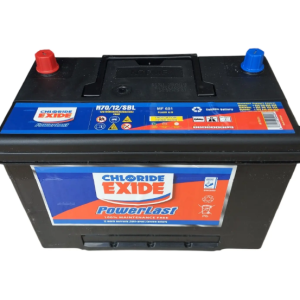


How to Choose the Right Car Battery for Your Vehicle

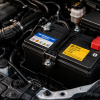
Your car battery is the heart of your vehicle’s electrical system. It provides the power needed to start the engine and supports essential electrical components such as the headlights, infotainment system, air conditioning, power windows, and safety features. Choosing the right battery is not just about finding one that fits—it’s about ensuring your vehicle performs reliably in all conditions.
With so many battery types, sizes, and specifications available, selecting the right one can seem overwhelming. This guide will help you understand what to look for so you can make an informed decision and enjoy dependable performance for years to come.
Why Choosing the Right Battery Matters
Installing the wrong battery can lead to a range of problems, including:
- Difficulty starting your vehicle
- Reduced battery lifespan
- Poor performance of electrical components
- Increased strain on the charging system
- Potential damage to sensitive vehicle electronics
Choosing a battery that matches your vehicle manufacturer’s specifications helps ensure reliable operation and protects your investment.
1. Know Your Vehicle’s Battery Requirements
The first step is to identify the battery specifications recommended by your vehicle manufacturer. These details can usually be found in:
- Your vehicle owner’s manual
- The label on your current battery
- Manufacturer’s specifications
- A trusted automotive battery supplier
Important specifications include battery size, voltage, capacity, terminal configuration, and battery technology.
2. Choose the Correct Battery Size
Battery size refers to the physical dimensions and terminal layout of the battery.
A battery that is too large may not fit properly, while one that is too small may move around inside the battery tray, increasing the risk of vibration damage.
Common battery sizes include:
- NS40
- NS60
- NS70
- DIN55
- DIN66
- DIN70
- DIN74
- DIN80
- DIN95
Always select the battery size specified for your vehicle.
3. Select the Right Battery Technology
Modern vehicles use different battery technologies depending on their electrical requirements.
Flooded Lead-Acid Batteries
These are suitable for many standard passenger vehicles with basic electrical systems.
Maintenance-Free (MF) Batteries
These sealed batteries require no water top-ups and provide reliable everyday performance.
AGM (Absorbent Glass Mat) Batteries
AGM batteries are designed for vehicles equipped with:
- Start-Stop technology
- Regenerative braking
- High electrical loads
- Premium electronics
They offer faster charging, longer service life, and superior cycling performance.
EFB (Enhanced Flooded Batteries)
EFB batteries provide improved performance over conventional flooded batteries and are commonly used in many Start-Stop vehicles.
4. Check the Voltage
Most passenger vehicles use a 12-volt battery.
Always replace your battery with one that has the same voltage specified by your vehicle manufacturer.
5. Understand Battery Capacity (Ah)
Battery capacity is measured in Ampere-hours (Ah).
A higher Ah rating means the battery can supply electrical power for longer periods.
Vehicles with numerous electrical accessories may require batteries with higher capacity.
However, installing a battery with significantly different capacity than recommended may affect performance.
6. Consider Cold Cranking Amps (CCA)
Cold Cranking Amps (CCA) indicate the battery’s ability to start an engine in cold weather.
Choosing a battery with the recommended CCA rating ensures dependable starting performance, especially in colder climates or during early morning starts.
7. Think About Your Driving Habits
Your driving style affects battery performance.
Frequent Short Trips
Short drives may prevent the alternator from fully recharging the battery.
Drivers who mainly travel short distances should consider high-quality batteries with excellent cycling capability.
Long-Distance Driving
Drivers who regularly travel longer distances typically keep their batteries fully charged, extending battery life.
8. Choose a Trusted Brand
Purchasing from a reputable manufacturer gives you confidence in quality, durability, and warranty support.
Popular battery brands include:
- Bosch
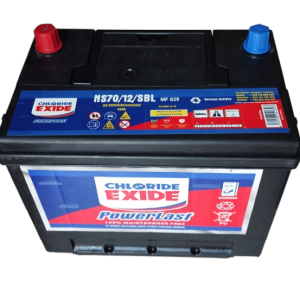
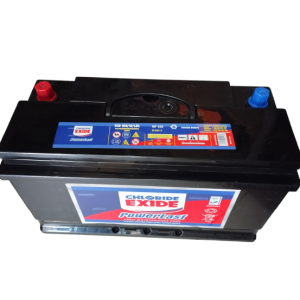
- Exide
- Varta
- Amaron
- Chloride
- Mercedes-Benz OEM
- Volvo OEM
Choosing a trusted brand helps ensure reliable performance and long service life.
9. Check the Manufacturing Date
Car batteries gradually lose charge while in storage.
Whenever possible, purchase a battery that has been manufactured recently to ensure maximum performance and service life.
10. Consider the Warranty
A manufacturer’s warranty provides additional peace of mind.
Before purchasing, check:
- Warranty duration
- Coverage terms
- Replacement policy
A comprehensive warranty often reflects the manufacturer’s confidence in product quality.
Common Mistakes to Avoid
Avoid these common errors when buying a new battery:
- Choosing a battery based only on price
- Installing the wrong battery size
- Ignoring CCA requirements
- Buying an old battery that has been in storage too long
- Using a standard battery where an AGM battery is required
- Purchasing from unreliable suppliers
Taking the time to choose correctly can prevent future problems.
When Should You Replace Your Battery?
Your battery may need replacement if you notice:
- Slow engine cranking
- Dim headlights
- Dashboard battery warning light
- Frequent jump-starts
- Swollen battery casing
- Battery age exceeding three to five years
Replacing your battery before complete failure reduces the risk of being stranded.
Buy from a Trusted Supplier
Even the best battery won’t perform well if it is old, counterfeit, or incorrectly installed.
A reputable battery supplier can help you:
- Confirm compatibility
- Recommend the correct battery type
- Provide professional installation
- Offer warranty support
- Test your charging system if necessary
Buying from an authorized dealer also helps ensure you receive a genuine product.
Final Thoughts
Choosing the right car battery is one of the most important decisions you can make for your vehicle’s reliability and performance. By understanding your vehicle’s requirements, selecting the correct battery size and technology, checking key specifications such as Ah and CCA, and buying from a trusted supplier, you can enjoy dependable starts and longer battery life.
Whether you drive a compact car, SUV, pickup, or luxury vehicle, investing in the right battery today will help prevent unexpected breakdowns and keep your vehicle performing at its best.
If you’re unsure which battery is suitable for your vehicle, consult a trusted automotive battery specialist who can help you choose the perfect replacement based on your vehicle’s make, model, and electrical requirements.